eCourses Coordinator
Adoption · Case study
Department-level faculty development for online teaching: sustained preparation in online pedagogy, accessibility compliance and learning-technology adoption across the Art and Humanities department, culminating in its emergency transition to remote instruction during COVID-19.
Goal
To ensure that every instructor in the department, full-time and adjunct alike, entered the online classroom prepared in the pedagogy of online teaching rather than simply assigned a course shell, consistent with the Higher Learning Commission’s expectation that faculty are prepared for the modality in which they teach.
Audience
A department of more than 45 instructors, roughly a quarter of them full-time and the remainder adjunct, together with the students enrolled in their courses. The high proportion of adjunct faculty made consistent, individualized preparation central to the role.
Process
As a founding member of the campus eCourses Committee, I helped draft its bylaws and establish it as a faculty-governed body, on the principle that standards for online teaching should be set by the faculty who enact them. The committee defined the training requirements for online instruction, and each department appointed a coordinator to translate those requirements into practice. I served as that coordinator for the Art and Humanities department.
- I monitored each instructor’s progress through the required online-teaching preparation and provided individualized support to complete it.
- I led the department’s implementation of each accessibility mandate, so that course materials met institutional accessibility standards.
- I prepared faculty for each change to the learning management system before it reached students, limiting disruption to instruction.
- I served among the campus early adopters, evaluating new Canvas features and instructional technologies in pilot use before institutional rollout and submitting recommended improvements to Instructure for prioritization on its product backlog.
- I organized, as my committee charge, the campus-wide lunch and learn series, an informal program of professional learning: selecting topics, building the semester calendar, recruiting faculty and staff presenters, and moderating or leading sessions.
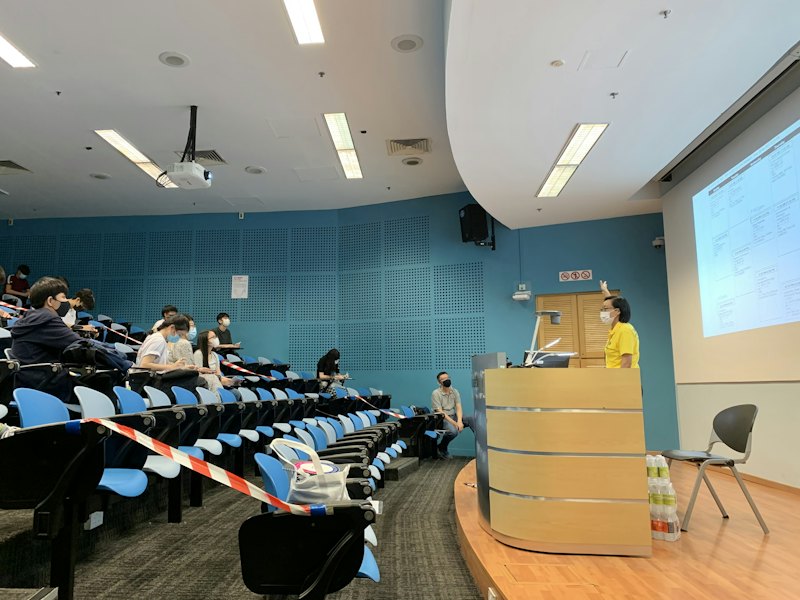
- When COVID-19 moved the college to remote instruction with a single day remaining on campus, I designed and delivered a condensed, just-in-time training on instructional video and Canvas, followed by one-on-one mentoring until every course in the department was online.
Technology
- Canvas, the institutional learning management system in which courses were designed and delivered.
- Zoom, for synchronous class sessions and individual mentoring.
- Google Drive, for shared course materials and collaborative files.
Outcomes
Department faculty satisfied the online-teaching preparation requirements on which the college’s accreditation depends, and new learning technologies were evaluated by practicing faculty before they reached students. When COVID-19 closed the campus, more than 45 Art and Humanities faculty, most with no prior experience teaching online, transitioned their courses to fully online delivery within weeks.